
San Miguel de Allende rewards investors who think like operators. The city draws long-stay travelers, part-time residents, retirees, remote workers, and design-focused buyers who pay for charm, walkability, views, and turnkey finishes. That demand can support strong pricing, but it can also tempt buyers to overpay for aesthetics and ignore fundamentals. The best portfolios balance beauty with math, and emotion with process.
Start with a clear plan, then move fast on execution. Focus on properties that solve real problems for real renters and buyers. Track carrying costs, upgrade budgets, and time to stabilize. Keep deal quality high, even when the market feels competitive. For neighborhood-level context and listings, these two starting points can help: https://dreamprohomesluxury.com/san-miguel-de-allende/neighborhood/atascadero/, https://dreamprohomesluxury.com/
Define A Portfolio Thesis That Fits San Miguel’s Buyer And Renter Demand
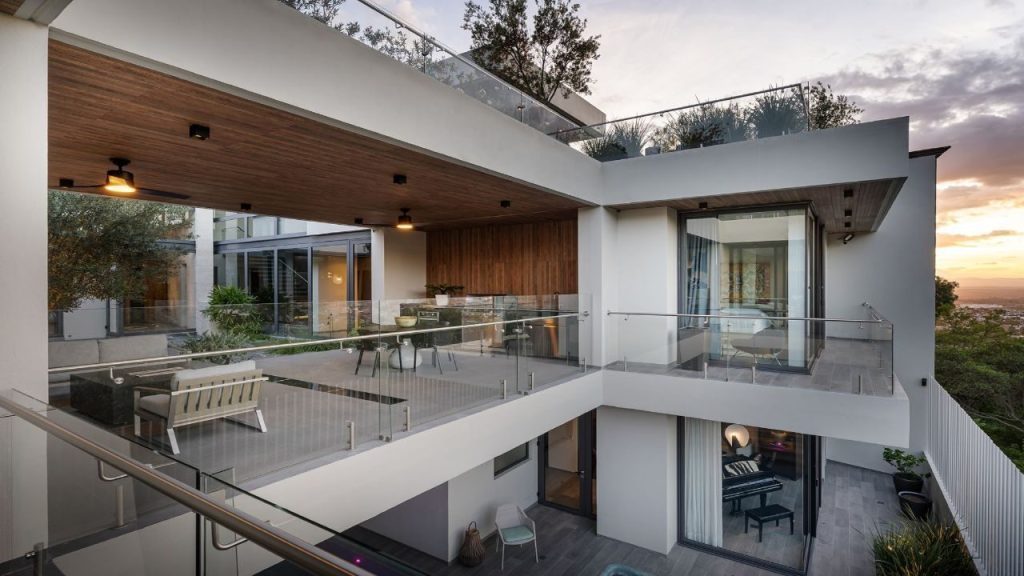
A profitable portfolio begins with a simple thesis: buy assets that match predictable demand segments. In San Miguel, those segments often include long-term rentals for expats, mid-term stays for seasonal residents, and higher-end furnished homes for travelers who want privacy and design. Each segment wants different layouts, amenities, and locations. A one-bedroom pied-à-terre near the action plays a different game than a three-bedroom home with outdoor space and parking.
Treat each acquisition like a role in a team. One property might serve as a stable, lower-drama rental. Another might target higher nightly rates with stronger management. A third might function as a value-add project with renovation upside. When each asset has a job, the portfolio holds together through slow seasons, repairs, and market swings.
Keep a written buy box. Include target neighborhood types, minimum light and outdoor space, realistic renovation complexity, and a firm cap on carrying costs during upgrades. The buy box protects against “love at first sight” purchases that look perfect in photos and hurt the spreadsheet later.
Build Neighborhood Diversification Instead Of Chasing A Single Hot Spot
San Miguel runs on micro-markets. A few blocks can change noise, views, slope, sunlight, and walk times to restaurants. That makes neighborhood selection a core profit lever. Diversify across two to four areas with different demand drivers. Think walkable lifestyle zones, view corridors, quieter residential pockets, and emerging areas that still price in future improvements.
Match the neighborhood to the exit strategy. Lifestyle buyers pay premiums for character, architecture, and proximity to the historic core. Renters often pay more for convenience, reliable internet, modern kitchens, and simple access. Families and longer-stay residents lean toward space, storage, and calmer streets. When the neighborhood matches the tenant profile, occupancy steadily and marketing gets easier.
Also plan for operational friction. Steep streets, limited parking, and older infrastructure can add time and cost. That does not mean “avoid.” It means “price it correctly” and pick the right use case. A property that feels magical for a weeklong stay might frustrate a yearlong tenant if daily logistics become a chore.
Underwrite Like An Operator With Mexico-Specific Costs And Timelines

Profit comes from disciplined underwriting. Start with your all-in number, not the listing price. In Mexico, closing costs can vary by state and transaction specifics, and buyers often budget several percentage points of the purchase value for acquisition tax, notary fees, registration, and related costs. Treat that estimate as a planning number, then refine it with your notary and counsel before you commit.
Next, model annual ownership costs with conservative assumptions. Mexico’s property tax (predial) usually runs far lower than what many U.S. or Canadian owners expect, and it ties to assessed cadastral value rather than market value. Many municipalities offer early-payment discounts at the start of the year, which can slightly improve cash flow if you build it into your routine. Still, do not let low predial distract from the bigger drivers: maintenance, staffing, utilities, upgrades, insurance, and vacancy.
Finally, respect timelines. Renovations can stretch when you rely on specialty materials, artisan trades, and permit steps. Build a contingency for both money and time. A portfolio grows faster when projects finish on schedule and begin earning.
Assemble A Deal Team That Protects Title, Permits, And Renovation Quality

In San Miguel, the team matters as much as the property. Build a tight bench: an experienced local agent, an independent attorney for contract review, a trusted notary for the formal closing process, and inspectors and contractors who communicate clearly. Notaries play a central legal role in Mexican real estate transactions, and your process should treat their review as essential, not optional.
Clarify ownership structure early. Foreign buyers can purchase property in Mexico, but rules change near borders and coastlines. Those “restricted zone” areas often require a fideicomiso (bank trust) structure rather than direct title. San Miguel de Allende sits inland, so many foreign buyers pursue direct ownership structures, yet every deal still needs case-by-case verification through proper legal review.
If you plan to renovate, add an architect or builder who knows local constraints. Historic zones and design standards can impact what you can change, how you can change it, and how long approvals might take. That knowledge prevents costly redesigns after demolition starts.
Engineer Multiple Income Streams And Treat Compliance As Part Of The Model
A profitable portfolio often blends rental strategies. Long-term rentals can reduce turnover and smooth cash flow. Mid-term rentals can capture seasonal demand with less wear than nightly stays. Short-term rentals can lift revenue when the unit and location fit travelers, and when management runs tight. Your portfolio does not need every property in the same category. It needs each property optimized for its category.
For short-term rentals, build compliance into the underwriting from day one. Local requirements can include permits and insurance. Some local real estate firms note that San Miguel requires an annual permit and liability insurance for Airbnb-style rentals, with meaningful yearly fees, so investors should confirm the current process before launch. Even if requirements change, the principle stays: compliance costs money, and noncompliance can cost more.
Treat guest experience as a revenue tool, not a nice-to-have. Great lighting, strong water pressure, fast Wi-Fi, and quiet sleeping areas drive reviews and repeat bookings. A reliable property manager and fast maintenance response protect revenue during peak season.
Protect Long-Term Profit With Risk Controls And A Clear Exit Plan
San Miguel portfolios perform best when they stay resilient. Keep cash reserves for repairs, vacancy, and surprise upgrades. Ensure properly. Avoid overleveraging, especially if your income depends on a single rental channel. If you take on renovation risk, limit it to projects you can complete with your current team and budget.
Plan your exit before you buy. Decide how you would sell each asset in a soft market. Some homes sell best as furnished, turnkey properties. Others sell best after you remove personal style choices and present a clean canvas for buyers. Track improvements that add resale value, like structural work, water systems, electrical upgrades, and high-quality kitchens, and avoid over-customization that narrows your buyer pool.
Rebalance when needed. If one property becomes management-heavy, consider converting it to a different rental term or selling it and redeploying capital into a simpler asset. Portfolios stay profitable when owners stay decisive, stick to standards, and treat every property like a small business with real metrics.