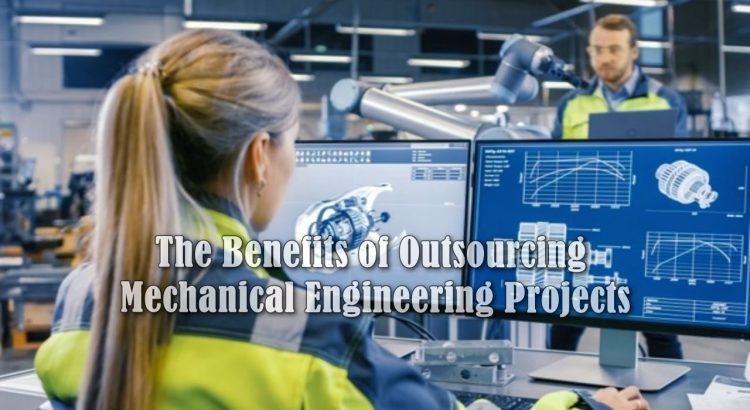
Modern industries face constant pressure to innovate faster while keeping costs in check. From product design to structural analysis, mechanical engineering projects require deep technical expertise and precise execution. Many organizations now look to mechanical engineering outsourcing as a strategic way to scale capabilities, reduce overhead, and focus on their core competencies. Partnering with experienced providers like JOT Staffing Agency enables companies to access specialized talent and streamline complex engineering workflows without compromising on quality.
Outsourcing does more than fill gaps in labor or technical skill. It opens access to global resources, modern design tools, and fresh perspectives that help drive smarter product development. The right partnership brings agility, faster time to market, and greater operational control while minimizing unnecessary costs.
Access to Specialized Expertise and Tools
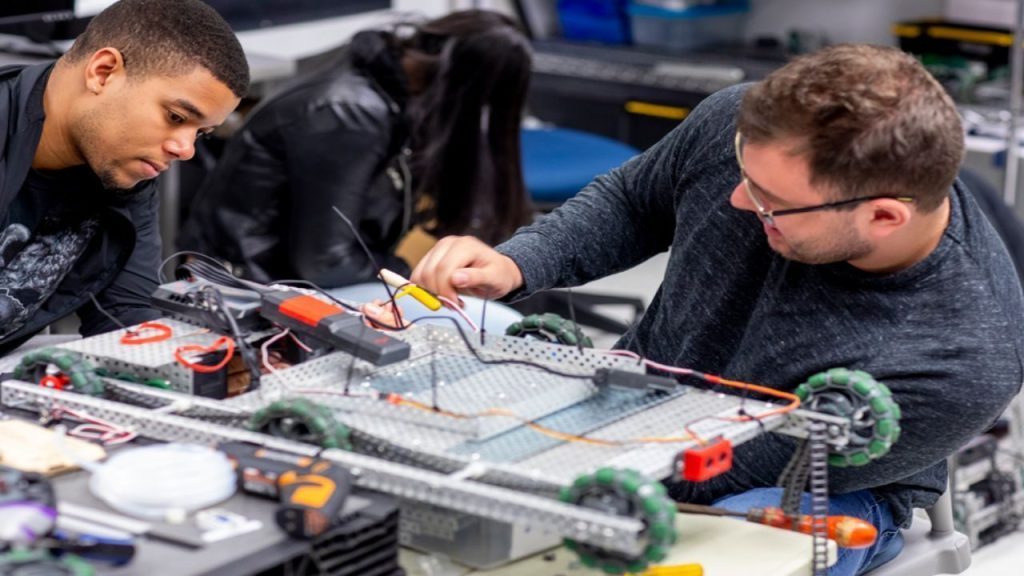
Mechanical engineering covers a vast range of specializations: thermal systems, fluid dynamics, CAD modeling, finite element analysis, and more. Hiring experts in every domain internally is rarely feasible, especially for mid-sized or growing firms. Outsourcing gives companies direct access to professionals with proven experience in specific engineering disciplines.
External teams often have exposure to diverse industries such as automotive, aerospace, or manufacturing. Their practical knowledge allows them to solve technical challenges faster and with higher precision. Moreover, outsourcing partners typically invest in advanced tools and simulation software that may be too expensive for smaller firms to maintain independently. By leveraging these resources, companies gain the benefit of cutting-edge technology without the heavy upfront investment.
Faster Project Delivery and Scalability
Speed is critical in mechanical design and product development. Outsourced engineering teams work in parallel with internal teams, reducing bottlenecks and helping meet tight deadlines. The ability to scale up or down depending on workload ensures that companies can maintain efficiency even during demand fluctuations.
When new projects require specialized skill sets or additional manpower, outsourcing provides immediate access to qualified professionals. This eliminates the time and cost involved in recruiting, onboarding, and training new hires. With multiple teams working simultaneously across time zones, companies can achieve near-continuous progress, resulting in faster concept-to-production timelines.
Cost Optimization Without Compromising Quality

One of the main advantages of outsourcing mechanical engineering is cost efficiency. Maintaining a full-time in-house engineering team can be expensive when factoring in salaries, benefits, equipment, and software licenses. Outsourcing reduces these overhead costs while maintaining access to high-quality engineering services.
However, cost savings are not achieved through cheaper labor alone. They stem from increased productivity, optimized workflows, and access to expertise that prevents costly design errors. A well-structured outsourcing model ensures the client pays for work performed rather than idle time, making budgeting predictable and transparent. This efficiency allows businesses to redirect resources toward research, innovation, and business development.
Enhanced Focus on Core Business Functions
Outsourcing allows companies to focus on strategic goals and business-critical operations while external partners handle engineering execution. Instead of diverting internal teams toward time-consuming design or documentation tasks, organizations can prioritize innovation, customer relationships, and product strategy.
This division of labor ensures that specialized engineering processes receive full attention from experts, while management and R&D teams concentrate on long-term vision. It creates a more balanced and productive ecosystem where every department operates within its strengths. Over time, this clarity in roles improves organizational performance and innovation output.
Flexibility and Adaptability in Project Management
Engineering projects often shift in scope, scale, or direction due to market changes or technical discoveries. Outsourced teams can quickly adjust to new project requirements, reallocate resources, or pivot design approaches without major disruption. Their flexible structure helps businesses stay responsive and competitive.
With access to a wider network of engineers, organizations can take on projects of varying complexity or explore new product categories with minimal risk. Outsourcing partners bring adaptive methodologies, such as agile and concurrent engineering, which promote collaboration and continuous improvement. This adaptability supports better decision-making throughout the project lifecycle and minimizes downtime caused by unforeseen challenges.
Access to Global Innovation and Collaboration
Outsourcing connects businesses with talent from across the world. Global teams bring unique insights, innovative solutions, and varied problem-solving approaches shaped by different engineering environments. This exchange of knowledge often leads to better designs and improved production processes.
Working with international experts also expands the client’s exposure to global standards and emerging technologies. It helps companies remain competitive by integrating new ideas from other markets or industries. Effective communication tools and project management platforms now make collaboration seamless, ensuring that physical distance never becomes a barrier to performance or innovation.
Risk Reduction Through Shared Responsibility
Managing mechanical engineering projects involves inherent risks, including technical errors, resource shortages, or missed deadlines. Outsourcing distributes these risks across a broader team with established workflows, documentation standards, and quality control systems. Professional agencies maintain strict compliance and testing protocols that safeguard the integrity of deliverables.
Furthermore, outsourcing firms often provide contractual service-level agreements that define quality metrics and timelines. This structured accountability minimizes project uncertainty and protects client investments. By delegating engineering tasks to trusted partners, companies can maintain consistent output and lower the chance of costly mistakes.
Outsourcing mechanical engineering projects delivers a blend of flexibility, technical depth, and operational efficiency that modern businesses need to stay ahead. It transforms fixed costs into scalable solutions, connects companies with top-tier specialists, and accelerates product development from design to delivery. When executed strategically, it strengthens innovation pipelines and creates sustainable value across every stage of the engineering process.