
The rise of ultra-high-definition entertainment has made one accessory more important than ever: the HDMI cable. For most households, this small but powerful connector is the lifeline between devices, turning potential into a seamless viewing experience. If you plan to upgrade your home theater or gaming setup, you’ll likely want to buy a cable that truly supports 4K resolution and everything that comes with it.
But 4K HDMI cables are often misunderstood. Many people think all cables are the same, only to discover that not every option delivers the performance their devices require. The details matter. From bandwidth and compatibility to future-proofing your system, choosing the right cable can enhance your visual and audio quality more than you might expect.
What Makes a Cable 4K-Ready
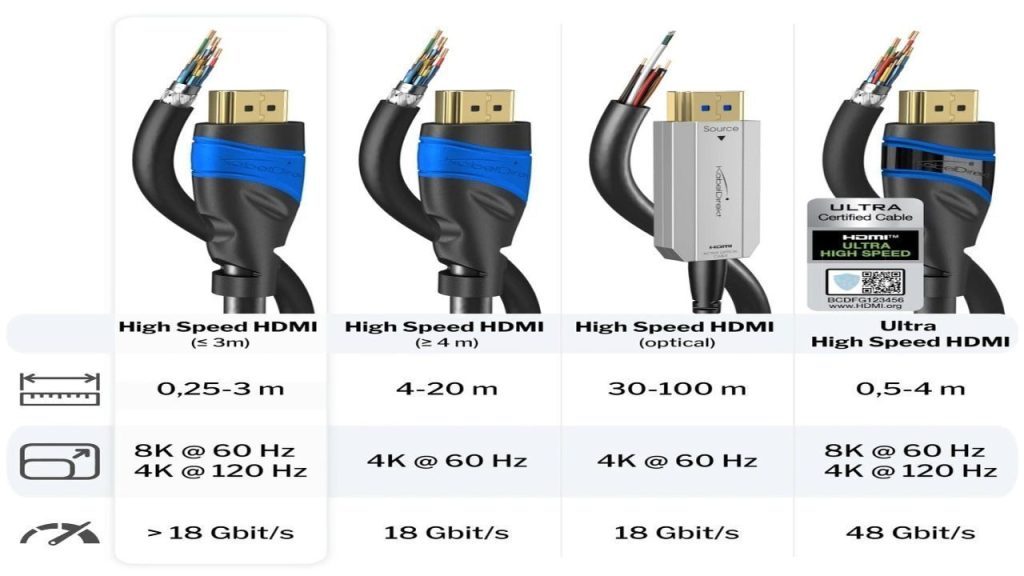
Not every HDMI cable is built to carry 4K signals effectively. To handle the sharpness and color depth of 4K video, a cable must support higher data transfer rates. Standard HDMI cables are fine for lower resolutions, but they struggle with the heavy load that 4K video demands.
The key lies in bandwidth. A 4K-ready HDMI cable usually supports at least 18 Gbps of throughput, which allows it to deliver Ultra HD video at 60 frames per second along with rich color formats like HDR. Without this capacity, images may suffer from lag, dropped frames, or loss of color accuracy. A true 4K cable ensures that movies, sports, and games look as sharp and fluid as intended.
The Different Types of HDMI Cables
Today’s market offers multiple versions of HDMI cables, each with its own specifications. High-Speed HDMI is the baseline for 4K, handling up to 18 Gbps. Premium High-Speed HDMI adds a certification process, ensuring better performance and consistency for devices that require stable 4K connections.
Ultra High-Speed HDMI is the newest category, built for 8K but fully compatible with 4K as well. These cables support up to 48 Gbps, making them future-proof for new displays and gaming consoles. While older cables can sometimes still deliver a 4K signal, newer classifications reduce the risk of compatibility issues and provide smoother long-term performance.
Cable Length and Performance
One factor that often gets overlooked is length. A short HDMI cable of three to six feet usually performs flawlessly, even with high bandwidth requirements. But when the cable stretches beyond 15 feet, performance can drop if the build quality is poor.
For longer distances, consider cables with built-in signal boosters or active optical HDMI cables, which use fiber optic technology to maintain speed and signal integrity over greater lengths. This ensures you won’t lose picture quality in large home theater setups or when connecting projectors placed far from your media sources.
Gaming and 4K HDMI Cables
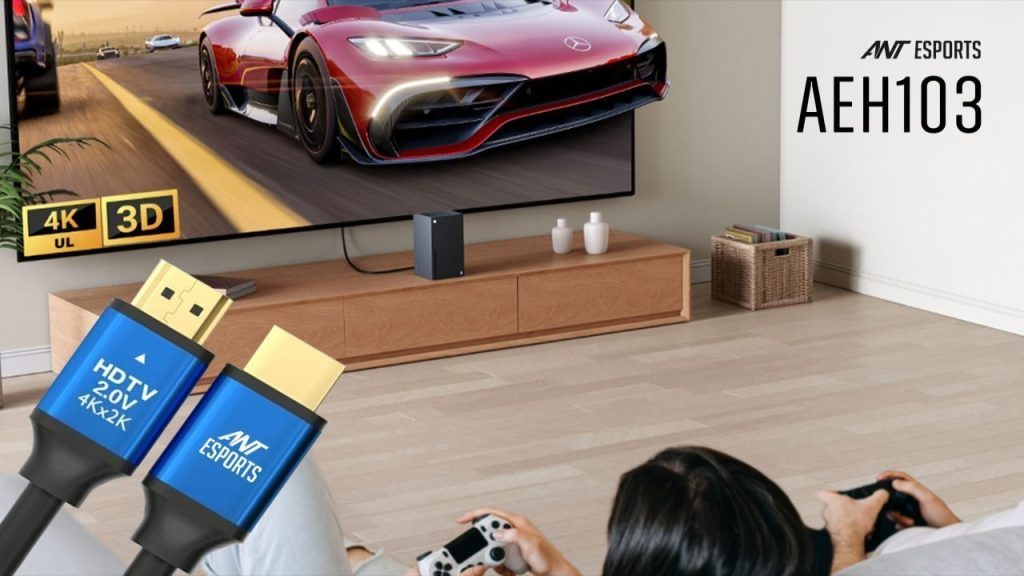
Gamers benefit the most from high-quality HDMI cables. Consoles like PlayStation 5 and Xbox Series X push graphics at 4K with high refresh rates, demanding cables that can keep up. A lower-grade cable may still display the image but won’t deliver smooth frame transitions or advanced features like Variable Refresh Rate (VRR).
Choosing an HDMI 2.1 cable ensures not only crisp resolution but also faster response times and support for higher frame rates up to 120 Hz. For competitive players, these improvements can be the difference between a seamless experience and one filled with screen tearing or lag.
Audio Features and HDMI
While video often takes the spotlight, audio performance is equally important. A true 4K HDMI cable also carries uncompressed surround sound formats like Dolby Atmos and DTS:X. This means you can connect a soundbar or AV receiver and enjoy theater-level sound that complements your visual setup.
Future-proofing also means buying from trusted brands that certify their cables against HDMI standards. Counterfeit or uncertified products may save money upfront but often fail when pushed to higher performance. A small investment in the right cable now avoids frustration later.
Some cables may advertise video compatibility but fall short in delivering advanced audio. Investing in a well-rated cable ensures that every detail of the soundscape reaches you without distortion, delay, or compression. For anyone building a cinematic space at home, this is as important as the screen resolution itself.
Future-Proofing Your Setup
Technology evolves quickly, and today’s purchase should last through future upgrades. Choosing an Ultra High-Speed HDMI cable, even if your current system only requires 4K, protects you from needing another replacement when you eventually switch to 8K or new console generations.