
When skincare routines hit a plateau, professional dermatology steps in to refine results. Targeted treatments can do more than soften the surface. They reach into deeper layers of the skin to trigger long-term improvements. One approach gaining steady momentum in both clinical settings and luxury skincare circles is BroadBand Light therapy. Offered at trusted clinics like Lumine Dermatology, this light-based solution is becoming a cornerstone in personalized skin rejuvenation plans.
BBL (BroadBand Light) isn’t your average laser. It’s a versatile tool used by dermatologists to reverse signs of sun damage, fade pigmentation, and improve overall skin tone. Its strength lies in precision and consistency, two factors that most over-the-counter products can’t replicate. In this article, we’ll explore how dermatology and light therapy combine to raise the standard of skin maintenance, and why this method deserves a place in serious skincare regimens.
Moving Past Surface-Level Skincare
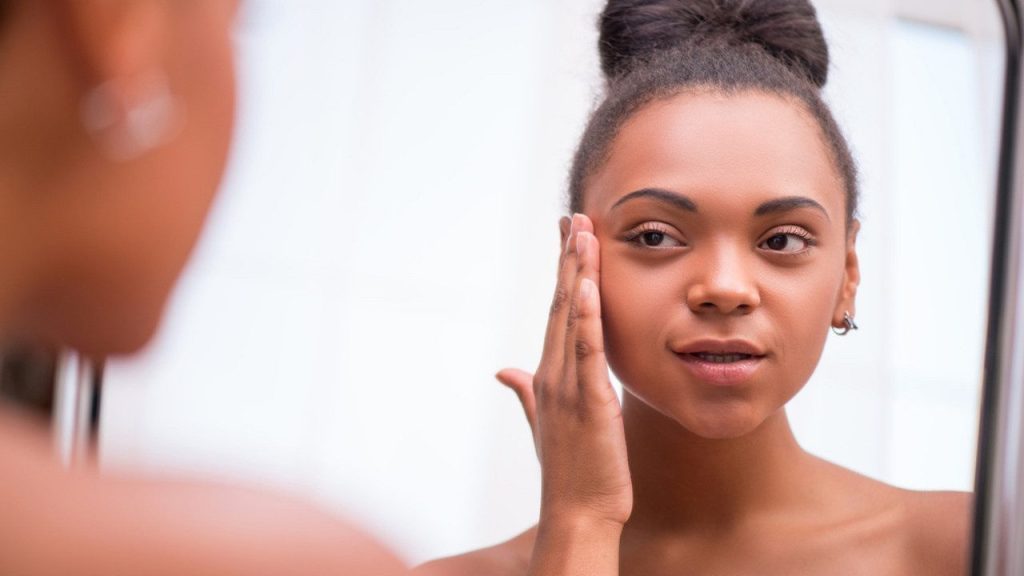
At-home routines are a good starting point. Cleansers, serums, and SPF serve a daily purpose, but they have limitations. Even high-quality ingredients struggle to correct deeper structural issues like collagen loss or vascular redness. Dermatology bridges this gap. By assessing skin at a medical level, dermatologists craft treatment plans that don’t rely on guesswork.
Professional skin assessments include tools that measure hydration, pigmentation, and elasticity. These insights guide decisions that go beyond trial-and-error skincare. Rather than applying more products, patients receive targeted interventions like BBL that stimulate change from within. The result is skin that behaves younger, not just looks better temporarily.
How BroadBand Light Works on Skin
BBL treatments use light energy to stimulate natural skin repair. Unlike lasers that resurface the skin aggressively, BBL filters light in specific wavelengths to treat redness, brown spots, acne, and uneven texture. The energy targets pigmentation and damaged vessels without harming surrounding tissue. This means less downtime and fewer risks.
What sets BBL apart is its versatility. A dermatologist can customize the intensity, wavelength, and pulse duration based on the patient’s skin type and concern. Treatments are typically spaced a few weeks apart, and improvements are cumulative. Many patients notice brighter, smoother skin after just one session, but the real magic happens after several treatments. Collagen production increases, and skin clarity improves significantly over time.
Dermatology’s Role in Personalizing BBL Results
While the BBL device is powerful, outcomes depend on the strategy behind its use. That’s where dermatology comes in. Dermatologists assess the patient’s baseline skin condition and determine how BBL fits into their broader treatment roadmap. They may recommend pre-treatment prep, combine it with topical prescriptions, or schedule it alongside other interventions like microneedling or chemical peels.
Custom protocols reduce complications and maximize results. For example, a patient with melasma may need a gentler setting and concurrent pigment-suppressing products. Someone targeting rosacea might benefit from vascular-specific wavelengths. These aren’t decisions that should be left to non-medical providers. A board-certified dermatologist ensures treatments remain safe, especially across different skin tones.
Results That Evolve, Not Just Appear
BBL doesn’t produce overnight transformations. Its strength lies in gradual, noticeable progress that holds up over time. Pigmentation fades slowly, texture refines, and redness subsides. In the background, fibroblasts respond to the light stimulation by producing more collagen and elastin. This helps maintain skin firmness and reduce fine lines naturally.
Patients who commit to maintenance sessions every few months often see cumulative benefits. These may include smaller pores, more even tone, and a general lift in brightness. Dermatologists often describe BBL as a “preventative aesthetic treatment” because of its ability to delay visible signs of aging. It’s especially effective when introduced before fine lines become deep-set or when sun damage is still in its early stages.
Why BBL Complements (Not Replaces) Your Routine
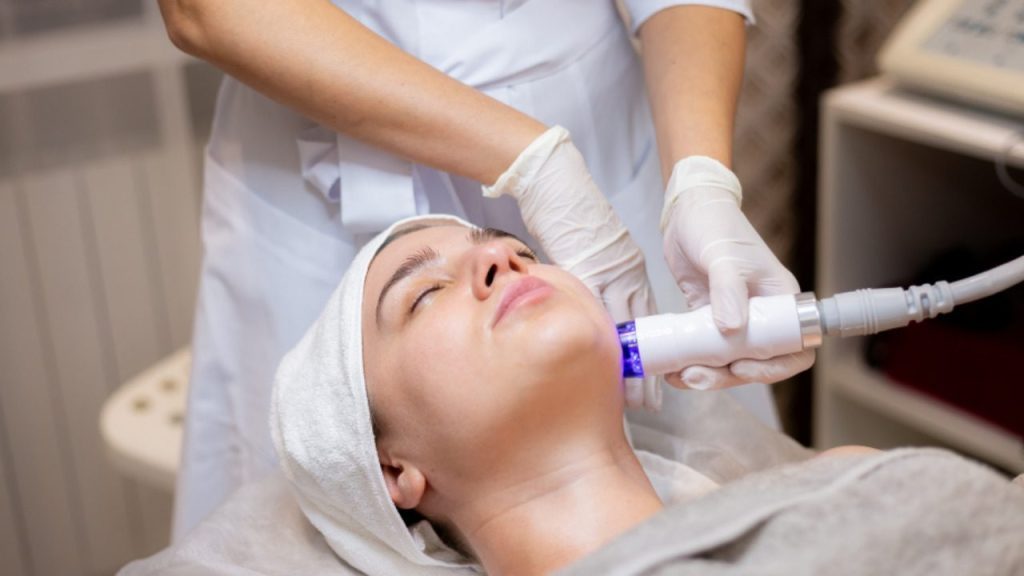
BBL is a clinical treatment, not a product swap. It doesn’t replace moisturizers or retinoids, it enhances their effect. After light therapy clears pigmentation and tightens skin, ingredients like vitamin C and hyaluronic acid can perform better. Skin becomes more receptive, allowing actives to absorb more efficiently.
Dermatologists often pair BBL with antioxidant-rich skincare and barrier-repairing routines. This protects the results and helps maintain the skin’s integrity. Patients who’ve invested in topical treatments but see limited changes often benefit most from BBL. It clears the slate, so to speak, and allows a more targeted regimen to take over.
Building a Sustainable Skin Investment
Investing in skin is more than keeping up with trends. It’s about making informed choices that offer long-term value. Dermatology-led treatments like BBL provide measurable results, guided by science and tailored to the individual. Unlike impulsive beauty purchases or viral skincare gimmicks, this approach is structured, safe, and medically sound.
As with any investment, consistency is key. Dermatologists help set realistic expectations and timelines for progress. Instead of chasing perfection, the focus shifts toward resilience, building skin that heals faster, reacts less, and looks healthier year-round. With tools like BBL and expert oversight, glowing skin isn’t just a goal. It becomes a baseline.