Running a small business comes with many responsibilities, and keeping your network secure should be a top priority. Cyber threats are on the rise, and small businesses are frequent targets. A strong security setup helps protect sensitive data and ensures smooth operations. Companies like stratusinfosystems.com provide valuable resources and solutions to strengthen your business’s cybersecurity. Here’s a simple checklist to keep your business network safe.
Use Strong Passwords and Multi-Factor Authentication
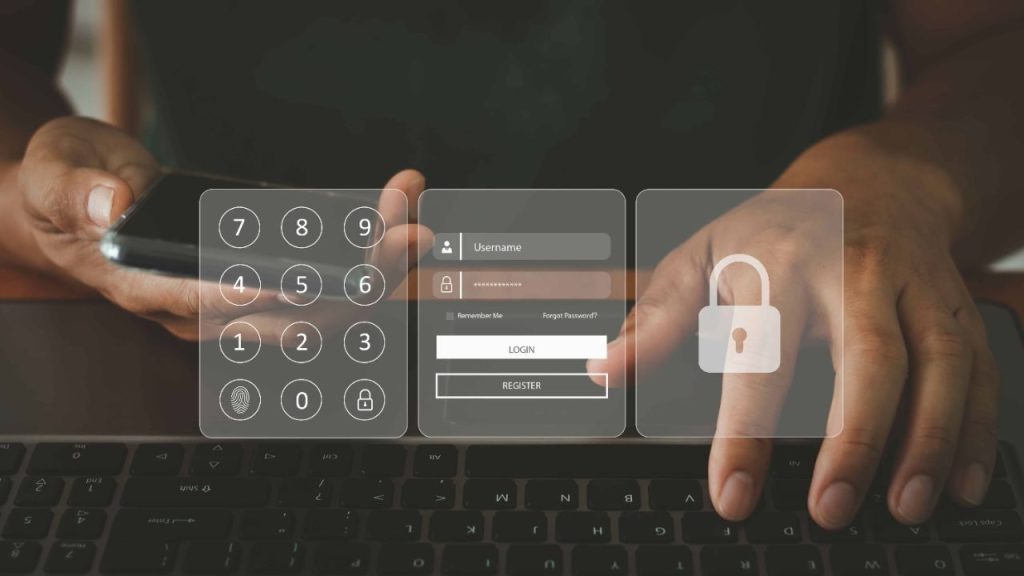
Using strong passwords is the first line of defense in business network security. All accounts and devices should have passwords that are at least 12 characters long and include a mix of letters, numbers, and symbols. Enabling multi-factor authentication (MFA) adds an extra security layer by requiring a second form of verification, such as a one-time code sent to a mobile device.
Secure Your Wi-Fi Network
An unsecured Wi-Fi network can leave your business vulnerable. Protecting your network means using WPA3 encryption, changing default network names and passwords, and hiding the SSID to prevent unauthorized access. Setting up a separate guest network for visitors and customers adds another layer of security.
Keep Software and Firmware Updated

Keeping software and firmware updated is an essential step in preventing cyberattacks. Regular updates should be applied to operating systems, security software, web browsers, firewalls, and routers. Whenever possible, automatic updates should be enabled to fix security vulnerabilities quickly.
Use Firewalls for Extra Protection
Firewalls help block malicious traffic from entering your network. Activating built-in firewalls on computers and routers strengthens security. For added protection, businesses can install dedicated firewall appliances to further safeguard their networks.
Install Antivirus and Anti-Malware Software
Cyber threats such as viruses, ransomware, and spyware pose serious risks. Installing reputable antivirus and anti-malware software helps detect and remove threats before they cause harm. Automatic scans and real-time protection should always be enabled.
Control Employee Access to Data
Controlling employee access to sensitive data and systems reduces risk. Not all employees need access to every part of the network. Limiting access based on job roles and requiring employees to log out when not in use can prevent unauthorized entry. Removing access for former employees immediately also helps maintain security.
Back Up Data Regularly
Regular data backups help protect against loss due to cyberattacks, hardware failures, or human error. Businesses should back up data daily or weekly, storing copies in multiple locations, including a secure cloud service and an offline device. Testing backups regularly ensures that they work when needed.
Train Employees on Cybersecurity Best Practices

Employee training plays a key role in cybersecurity. Human error is one of the biggest risks, so employees should learn how to recognize phishing emails, avoid suspicious links and attachments, and use only company-approved devices and software. Encouraging employees to report security concerns immediately strengthens overall protection.
Monitor Network Activity
Monitoring network activity helps detect and prevent security threats. Businesses should track unusual login attempts, unauthorized access, and suspicious downloads or file transfers. Setting up alerts for unusual activity and investigating them quickly helps prevent breaches.
Develop an Incident Response Plan
Even with strong security measures in place, cyber incidents can still happen. Having an incident response plan allows businesses to react quickly and minimize damage. The plan should outline steps for containing and resolving a security breach, include contact information for IT support or cybersecurity experts, and provide procedures for notifying affected customers or employees. Regular reviews and updates to the plan keep it effective.
Network security is essential for small businesses. Following these steps helps protect against cyber threats and keeps data safe. Staying proactive and making security a routine part of business operations protects not only the business but also builds trust with customers and employees.