
Choosing the right partner for PCB assembly is a big step for any business that depends on electronics. Whether you’re building consumer gadgets or medical devices, your product’s quality depends heavily on the circuit boards inside it. Companies like Beyonics Pte Ltd have shown how important it is to have a dependable partner for precision manufacturing. But how do you know which assembly partner is right for your needs?
The difference between PCB and PCBA is simple but important. A PCB is just the bare board, while a PCBA includes all the tiny electronic parts already mounted on it. If your business needs complete solutions, you’ll want a partner who can handle both, while also offering strong quality control and technical support. In this article, we’ll explore what to look for when choosing a company for PCB assembly, so you can avoid costly mistakes and build a solid partnership.
Experience and Industry Knowledge Matter
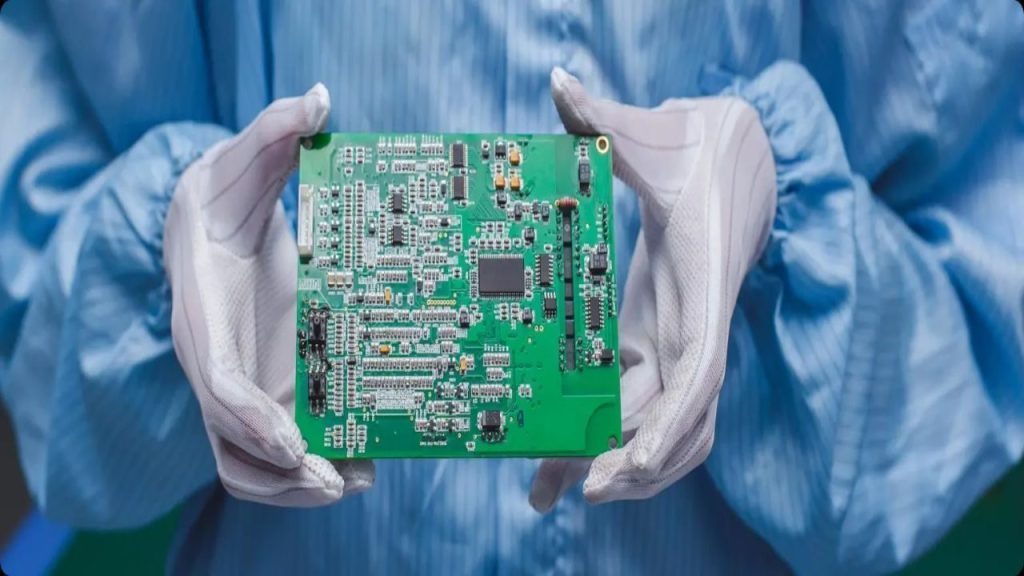
When you consider a PCB assembly, experience should be at the top of your list. You want a company that has been in the business for years and knows how to handle complex designs, tight deadlines, and specific industry standards. An experienced partner will know what to look for, what problems to avoid, and how to quickly adapt to changes.
Ask about the industries they’ve worked with before. For example, if you’re in the automotive or motorcycle industry, the partner should understand vibration testing, thermal challenges, and rugged durability needs. A company that has dealt with medical, aerospace, or industrial projects will likely have high-quality standards and deep technical skills.
Also, check whether their engineers are trained in the latest PCB design software and manufacturing processes. You want more than just a supplier—you want a true partner who can add value and help your business grow.
Quality Standards and Certifications
Quality is non-negotiable when it comes to electronics. A small flaw in a circuit board can cause big problems in your final product. That’s why it’s important to ask about your partner’s quality systems and certifications. ISO 9001 is a basic must-have, but if your product needs to meet more specific standards, like ISO 13485 for medical devices or IATF 16949 for automotive, you’ll need a company that’s certified for those, too.
A strong PCB assembly partner will also perform in-house inspections, testing, and offer traceability on every batch. They should use Automated Optical Inspection (AOI), X-ray checks, and functional testing to make sure every board meets the specs. It’s not just about avoiding defects; it’s about building trust with your customers by delivering reliable products every time.
Ask if you can visit their facility or take a virtual tour. Seeing their tools, processes, and people firsthand can give you confidence in their quality.
Manufacturing Capabilities and Scalability
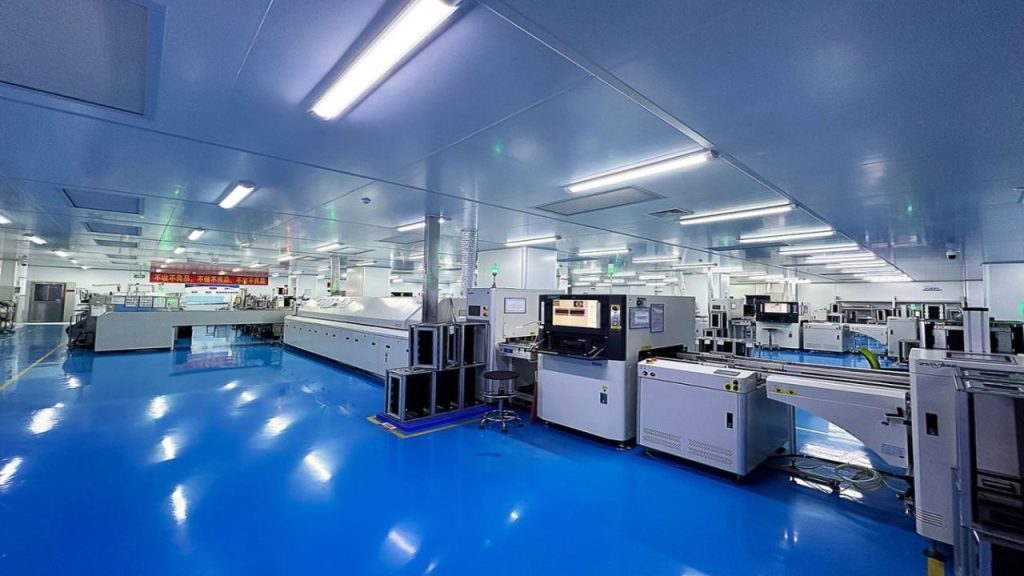
Not all PCB assembly partners are built the same. Some can handle only small batches, while others can scale up to thousands—or even millions—of units. Make sure the partner you choose has the capacity to meet your needs now and in the future.
Check what types of components and board sizes they can handle. Do they offer both Surface Mount Technology (SMT) and Through-Hole Technology (THT)? Can they assemble double-sided boards or handle flexible PCBs? Can they handle both prototypes and full production runs?
Scalability is key if your business is growing. You don’t want to outgrow your partner. It’s a good idea to ask how quickly they can ramp up production or shift to larger volumes if your product takes off. A flexible, well-equipped partner will help your business move faster with less risk.
Supply Chain and Component Sourcing
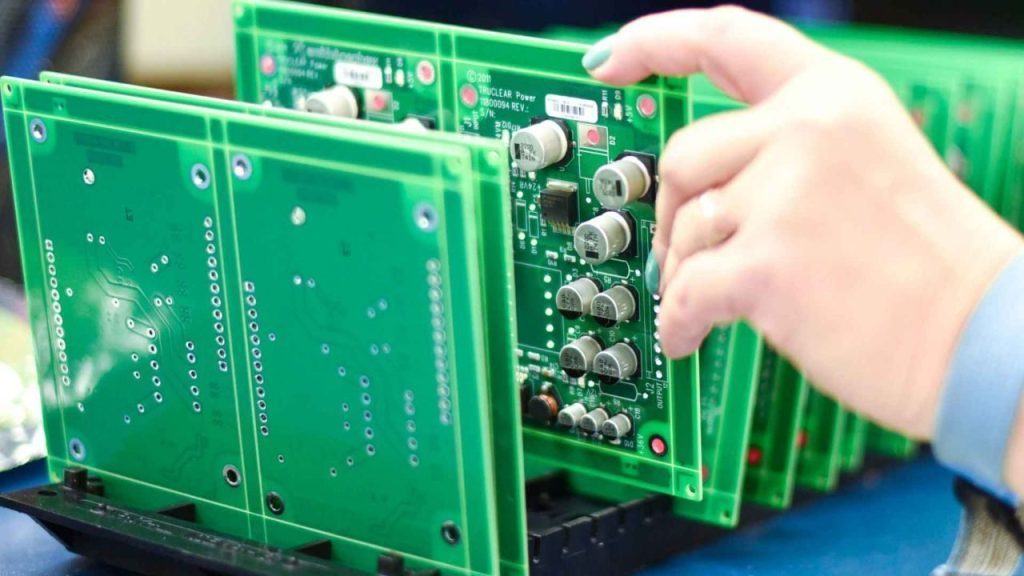
A good PCB assembly partner isn’t just good at soldering—they should also have a smart supply chain. Global parts shortages and delays can hurt your production. That’s why it’s important to work with a company that has strong relationships with trusted component suppliers.
Ask if they use authorized distributors and whether they offer part alternatives when shortages happen. A great partner will help you select cost-effective components without sacrificing quality. They should also monitor end-of-life (EOL) notices, so you don’t get stuck using parts that will soon disappear from the market.
Also, consider their inventory system. Can they manage your parts for you? Do they offer consignment or full turnkey solutions? A strong supply chain can save you time, money, and a lot of stress.
Communication, Support, and Transparency
One of the most overlooked parts of choosing a PCB assembly partner is communication. You want a team that answers emails quickly, explains technical issues clearly, and treats you like a priority, not just another number.
Clear communication builds trust. Your partner should offer a dedicated account manager or support contact, regular project updates, and easy ways to track your orders. Transparency matters too. You should know what’s happening with your order, whether it’s on time, and if any problems come up.
Ask what their average lead time is and how they handle urgent or unexpected changes. A good partner will be honest about what they can and can’t do—and that honesty will help your business make smarter decisions.