Choosing the right garbage bag might seem simple, but it actually matters more than you think. The wrong bag can tear, leak, or simply not fit your bin, causing frustration and mess. Whether you’re cleaning up after dinner, collecting yard waste, or managing office trash, picking the right garbage bag makes the task cleaner and easier.
But with so many shapes, sizes, colors, and strengths out there, how do you know which one is right for your needs? That’s where this guide comes in. We’ll walk you through all the key things to consider so you can confidently choose the best garbage bags, whether for your home, office, or outdoor projects.
Types of Waste Matter
Before choosing a garbage bag, by the way, the PlasticPlace website is a great place to explore the many types of bags available today. ask yourself what kind of trash you’re dealing with. Light household waste like paper towels and food wrappers needs a different bag than heavy-duty yard debris or broken glass. For example, kitchen garbage can go in regular medium-strength bags, but renovation waste or sharp objects require tougher, tear-resistant ones.
Wet trash, like leftover food or coffee grounds, can leak through thin plastic. That’s why you need bags with better puncture resistance and a secure seal. For dry, light waste like shredded paper or packaging materials, thinner bags will do just fine. Matching the bag strength to the trash type keeps things clean and prevents messes or accidents.
Choose the Right Size for Your Bin
Garbage bags come in different sizes to fit different bins. Using a bag that’s too small will cause it to slip or tear. A bag that’s too large can hang awkwardly and waste plastic. To find the perfect size, check the gallon size of your trash bin and match it with the bag. Common sizes include 13-gallon for kitchens, 33-gallon for larger home bins, and 55-gallon for industrial bins.
Also, consider the bag’s dimensions—height and width—because some bins are wider or taller than others. Some manufacturers even offer size guides to help you match bags to popular bin styles. A proper fit means easier cleanup and fewer trips to replace spilled bags.
What Is Mil Strength?
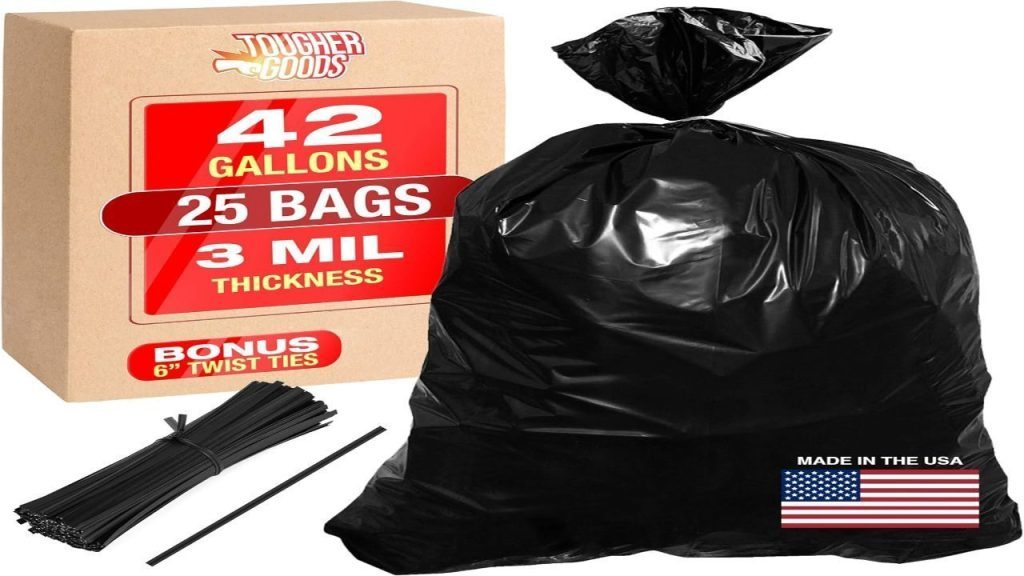
Thickness matters when it comes to garbage bags. It’s measured in “mils,” where 1 mil equals one-thousandth of an inch. The thicker the bag, the stronger it is. Light-duty bags range from 0.3 to 0.6 mils and are best for lightweight trash. Heavy-duty bags usually start at 1 mil and go up to 3 mils or more, ideal for big clean-ups or rough waste.
For most household uses, bags around 0.9 to 1.2 mils are strong enough without being too bulky. If you’re tossing sharp or heavy objects—like glass, tools, or yard debris—go with thicker bags to avoid rips and leaks. Think of thickness as your protection against unexpected messes.
Pick the Right Material
Garbage bags are made from two main types of plastic—low-density and high-density polyethylene. Low-density bags are stretchy and more resistant to punctures, making them great for sharp or heavy trash. High-density bags are thinner but stronger in holding weight. They work well for soft trash like tissues, paper, or food waste.
If you need flexibility, go for low-density bags. If you’re after a lightweight option that can carry more without stretching too much, try high-density. Knowing the difference helps you save money and reduce waste, especially if you’re buying bags in bulk for home or business.
Don’t Forget Special Features
Modern garbage bags come with helpful features that make life easier. For example, drawstring closures let you tie up the bag quickly and keep odors sealed in. Scented bags are available too, useful in kitchens or bathrooms to mask bad smells. Some bags are even designed to break down faster, which is great for the environment.
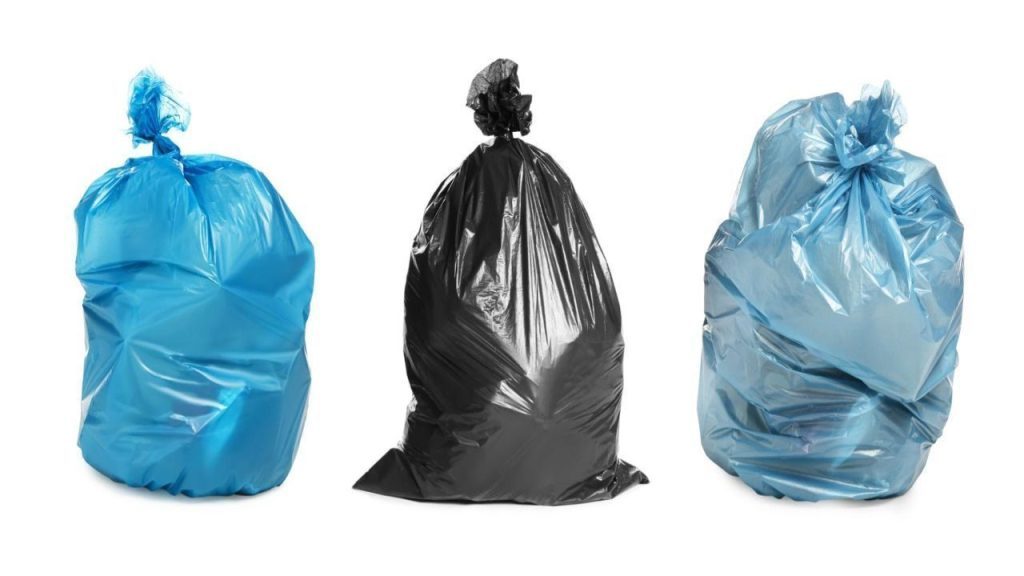
Color also plays a role. Black bags hide messy contents and are good for outdoor bins. Clear or white bags are often required for recycling or sorting. Some workplaces use color-coded bags to separate waste types. Choosing the right extras can make trash duty a little more pleasant and a lot more efficient.
Consider Where and How You’ll Use It
Are you tossing trash at home, work, or outdoors? The setting matters. Office waste is usually dry and light, so you can use thinner bags. Outdoor events or public spaces often need larger, stronger bags that hold up against weather or rough handling. For businesses like restaurants or clinics, choose bags that meet hygiene standards and handle food or bio-waste safely.
Also, consider how often you take out the trash. If you don’t empty the bin daily, pick stronger bags that won’t break down easily. For quick, single-use needs, you might save money with thinner, less expensive bags. The more you match the bag to your daily routine, the less hassle you’ll have.
Garbage bags might not be exciting, but choosing the right ones can save time, money, and stress. From size and strength to materials and special features, every detail matters. Use this guide to find the perfect bag for your needs—and keep your space clean, efficient, and hassle-free.