
In the industrial world, efficiency isn’t just a goal—it’s a necessity. Whether you’re managing a manufacturing plant or an automated warehouse, your systems must run smoothly. That’s where effective PLC programming comes in. But before diving deeper, think about this: when was the last time you updated your automation strategy? If you’re still searching for solutions across every website you visit, it might be time to rethink how your business handles automation.
Programmable Logic Controllers, or PLCs, are at the heart of modern industrial automation. These small but powerful devices control machinery, production lines, and complex processes. But here’s the catch—without well-structured programming, even the best PLC hardware won’t deliver optimal results.
What Makes PLC Programming So Important?
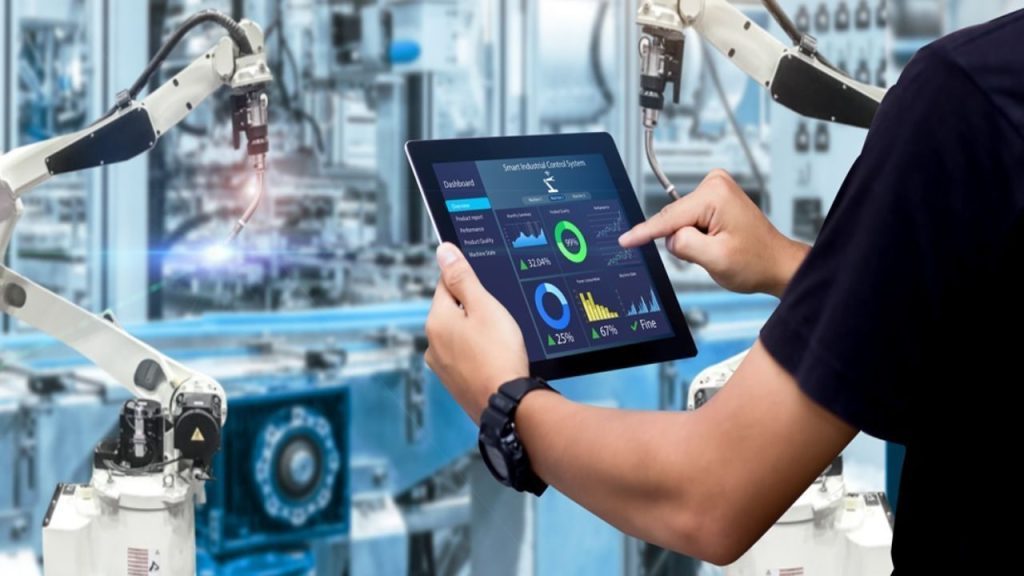
At first glance, PLCs might seem like simple control devices. However, their true power lies in how they’re programmed. Effective PLC programming ensures that machines respond accurately to inputs, adapt to changing conditions, and minimise downtime. Poor programming, on the other hand, can lead to inefficiencies, unexpected breakdowns, and costly errors.
Think of it like this—having top-tier machinery without solid programming is like owning a sports car but never tuning the engine. It might look impressive, but it won’t perform when you need it most.
Boosting Productivity with Smart Programming
Every second counts in an automated environment. Well-designed PLC programs streamline operations by eliminating unnecessary steps and ensuring processes run in sync. This translates into faster production cycles, fewer interruptions, and better use of resources.
For businesses, this means more than just saving time. It leads to consistent product quality, reduced waste, and a competitive edge in the market. In industries where margins are tight, these improvements can make a significant difference to the bottom line.
Flexibility to Adapt and Grow

Markets change. Customer demands evolve. Equipment gets upgraded. Effective PLC programming gives your business the flexibility to adapt without overhauling entire systems. A properly structured program allows for quick modifications, making it easier to integrate new machinery or adjust workflows.
This adaptability is crucial for businesses aiming to stay ahead. Instead of being locked into rigid processes, you gain the freedom to innovate and respond to market shifts with ease.
Reducing Downtime and Maintenance Costs
Unplanned downtime is every business owner’s nightmare. It halts production, delays orders, and eats into profits. Often, these issues stem from programming flaws—whether it’s a missed condition, inefficient logic, or lack of error handling.
By investing in effective PLC programming, you can prevent many of these problems before they start. A well-written program includes safeguards, diagnostics, and fail-safes that keep your operations running even when minor issues arise. The result? Fewer emergency repairs and lower maintenance costs over time.
Enhancing Safety Standards
Automation doesn’t just improve efficiency—it also plays a key role in workplace safety. PLCs manage critical safety functions, from emergency stops to temperature controls. Poorly programmed systems can create hazardous conditions, putting employees and equipment at risk.
Effective PLC programming ensures that safety protocols are always prioritised. It creates reliable responses in dangerous situations, helping businesses comply with safety regulations and protect their workforce.
In a world driven by automation, effective PLC programming isn’t optional—it’s essential. It powers productivity, safeguards your operations, and positions your business for long-term success. So, next time you’re browsing a website for industrial solutions, remember: the best hardware is only as good as the code behind it.
Invest in skilled programming today, and you’ll see the difference tomorrow—faster processes, safer environments, and a more adaptable business ready for whatever comes next.