
Photography is more than a way to capture a moment. It reshapes the way you notice, process, and interact with the world. When you look through a lens, you don’t just see what is in front of you; you train your eye to recognize details that might otherwise pass unnoticed. Lighting, angles, symmetry, and fleeting expressions suddenly become significant. This shift in perception influences not only the way images are made but also the way life is experienced.
For many, the practice of photography brings a new rhythm to daily life. A walk in the park becomes an exploration of textures in leaves, contrasts in shadow, and colors that change with the sun. A busy street reveals hidden stories in passing faces and architectural lines. Brooklyn photography, for instance, has shown how ordinary corners and city blocks can be transformed into works of art simply by reframing what we already see. Photography makes the ordinary extraordinary, and in doing so, it changes the way we value our surroundings.
Seeing Beyond the Obvious

One of the most profound changes photography brings is the ability to see beyond the obvious. Instead of simply glancing at a scene, photographers train themselves to notice layers within it. A reflection in a puddle, the curve of a shadow across stone, or the fleeting moment when someone’s expression shifts can all become the subject of a powerful image.
This heightened awareness creates a richer relationship with the environment. People often find themselves slowing down, scanning spaces for visual stories, and appreciating subtleties they once overlooked. Over time, this mindset extends beyond photography and reshapes the way they approach everyday experiences.
Shaping Emotional Connection
Photography has a unique ability to capture emotion in stillness. A smile, a gesture, or a glance preserved in a frame often carries more weight than words. By practicing photography, people develop a stronger sense of empathy because they become attuned to the emotions expressed in small moments.
This emotional awareness fosters a deeper connection with others. It makes interactions more mindful and creates a habit of appreciating expressions that might otherwise fade into the background. When looking back at photos, the emotional resonance often outlives the memory itself, giving the image lasting significance.
Training the Eye for Composition

Another way photography changes perception is through composition. Photographers think in terms of balance, symmetry, framing, and leading lines. This compositional mindset does not stop when the camera is put away. It influences how people see the layout of a room, the organization of a space, or even the way they arrange food on a plate.
This shift in perception has practical benefits as well. It enhances creativity across different fields, from design and architecture to marketing and storytelling. By learning to compose visually appealing images, people become better at organizing and presenting ideas in other areas of life.
Experiencing Time Differently
Photography also alters the relationship with time. A moment that might have been rushed through is now paused, examined, and preserved. Waiting for the right light, the right movement, or the right expression teaches patience and attentiveness.
This practice encourages people to live in the present. Each click of the shutter reinforces the importance of now, making individuals more mindful of fleeting experiences. Instead of looking ahead constantly, photographers learn to embrace the beauty of each passing second.
Discovering Personal Expression
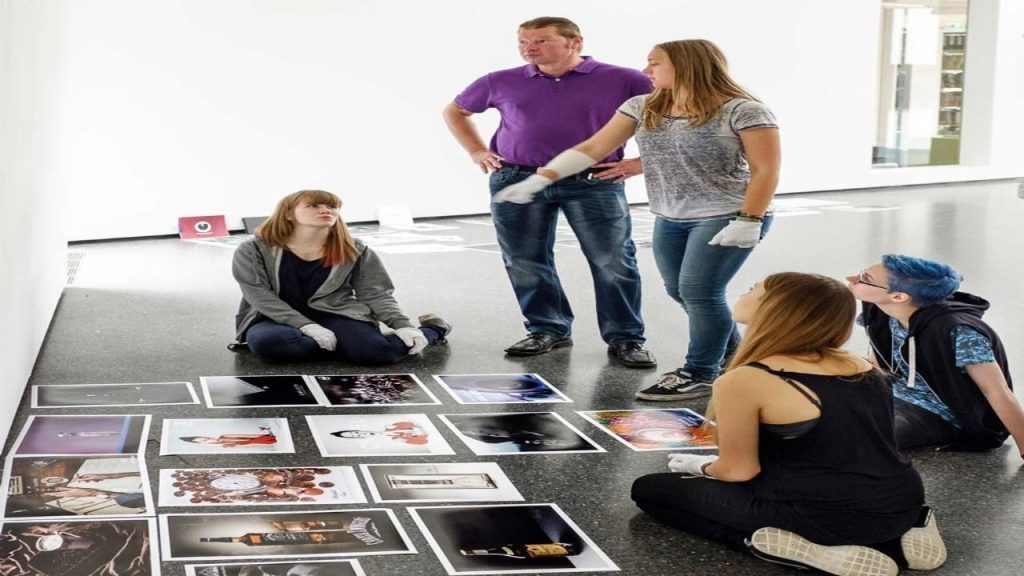
Every photographer develops a unique visual language. Some are drawn to minimalism, others to vibrant storytelling, and others to abstract detail. Through photography, individuals discover aspects of their personality reflected in the subjects they choose and the style they pursue.
This self-expression strengthens confidence and identity. It provides an outlet for creativity that is both personal and shareable. Photography becomes not only a record of the outside world but also a reflection of the inner self.
Building Connection With Place
Photography deepens the sense of connection to place. By capturing landscapes, streets, and communities, photographers form a bond with the spaces they inhabit. They see beauty in overlooked corners and significance in ordinary details.
This relationship with place often inspires a greater appreciation for culture and history. It also encourages environmental awareness, as people become more conscious of preserving the beauty they document. In many ways, photography transforms people into caretakers of memory and environment alike.
Transforming Everyday Perspective
Ultimately, photography is not just about taking pictures. It is about changing perspective. What was once routine becomes layered with detail, meaning, and artistry. The discipline of observing, framing, and capturing instills a habit of mindfulness that carries over into all areas of life.
Through photography, the world is not only seen but felt more deeply. It trains the eye to find beauty, the heart to feel emotion, and the mind to stay present. The world becomes richer when framed through this lens, and life itself takes on a sharper, more meaningful focus.