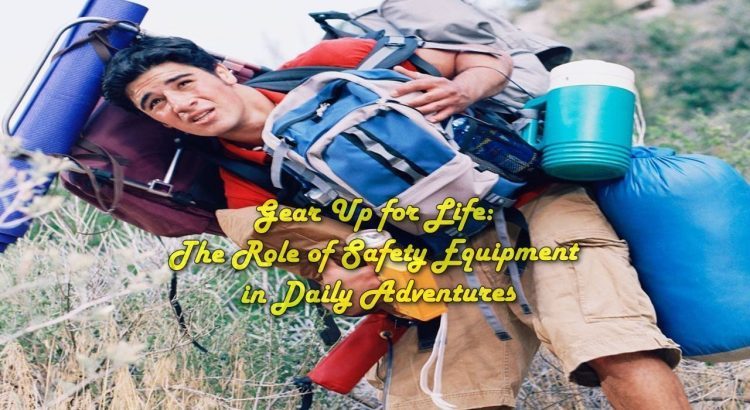
Everyday tasks may not always look dangerous, but risk doesn’t wait for extreme conditions. From morning bike rides to weekend DIY projects, safety gear plays a quiet yet powerful role in protecting us. Helmets, gloves, masks, goggles, these aren’t just items on a checklist. They are the first line of defense when routine takes an unexpected turn.
As daily life intersects more frequently with machinery, chemical agents, or unpredictable environments, safety equipment no longer belongs solely to construction zones or hospitals. The rise of home improvement, outdoor sports, and even food delivery has pushed protective gear into mainstream usage. These tools are essential for anyone who values prevention, efficiency, and peace of mind.
Hand Protection in Unexpected Places
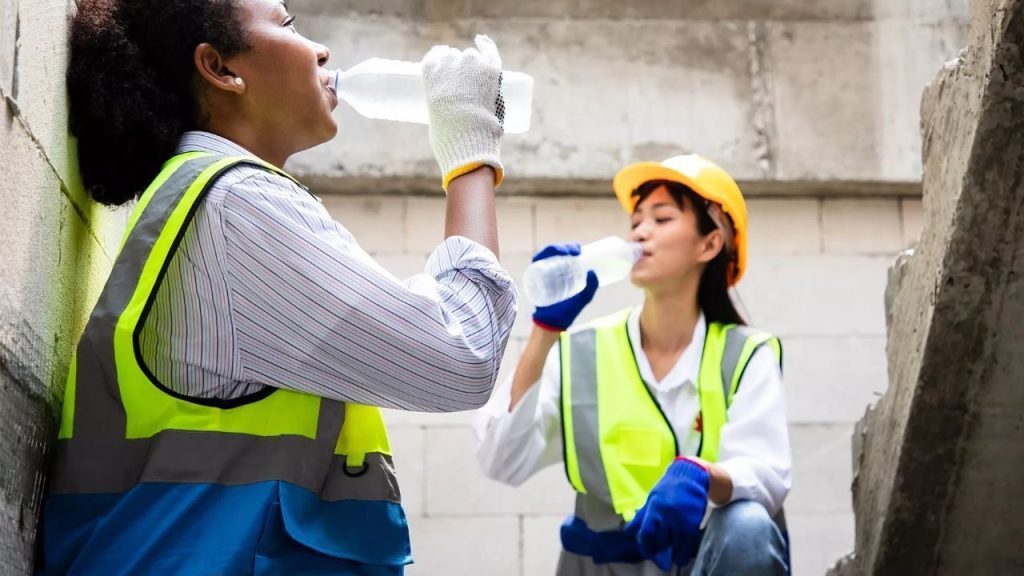
One of the most overlooked but widely used forms of safety gear is hand protection. Tasks ranging from cleaning bathrooms to fixing plumbing can expose skin to harsh chemicals and sharp edges. The simple act of putting on plastic disposable gloves can prevent rashes, contamination, or cuts.
In kitchens, salons, and home workshops, these gloves provide both hygiene and protection. For those with sensitive skin or allergies, they act as a necessary barrier between the body and irritating substances. In medical and caregiving settings, glove use helps avoid the transfer of germs, keeping both users and those around them safer. They’re a clear example of how something small and inexpensive can carry significant impact.
Comfort and Fit Drive Consistent Use
A common reason safety gear gets ignored is discomfort. Goggles fog up. Gloves feel stiff. Helmets seem heavy. That changes with better design and material innovation. Today’s safety equipment is lighter, more breathable, and shaped for long-term use. Brands have learned that if gear doesn’t feel right, it won’t be used, even if it’s essential.
For instance, ventilated helmets with adjustable padding allow athletes and workers alike to stay protected without overheating. Protective eyewear now comes with anti-fog lenses and flexible frames for a better fit. Soft, form-fitting gloves made with synthetic blends let hands move freely while shielding skin. These improvements matter. They help build habits, turning safety into second nature rather than an inconvenience.
Everyday Gear for Outdoor Activities
Outdoor adventures carry their own risks, some obvious, others not. Hikers need boots with ankle support and gloves for climbing. Skateboarders need wrist guards and helmets. Even casual joggers benefit from reflective clothing during early morning or late evening runs.
Weather also complicates things. UV-protective clothing shields skin from prolonged sun exposure. In colder climates, thermal gear can prevent frostbite. Properly fitted gear doesn’t just offer safety, it improves performance and endurance. When people invest in quality equipment, they tend to explore more, push farther, and engage in their hobbies with fewer interruptions. Safety gear isn’t just protection. It’s fuel for momentum.
Psychological Benefits of Being Prepared
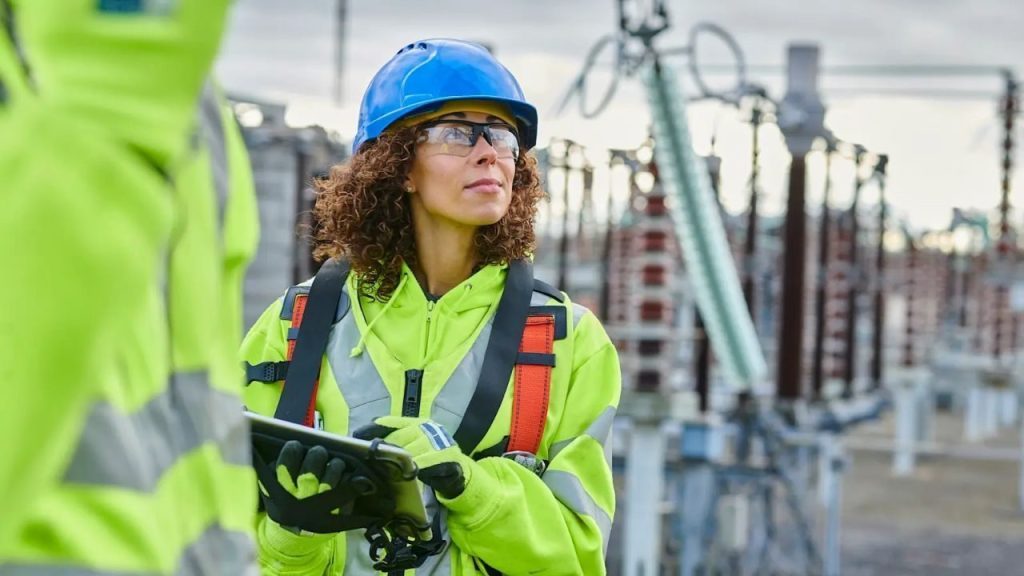
Wearing safety equipment has a psychological benefit many overlook: confidence. Knowing you’re protected makes it easier to take on challenges. That boost in confidence can lead to better decision-making, reduced hesitation, and more enjoyable experiences overall.
In family settings, gear also sets a visual standard. Children mimic adult behavior. When they see adults wearing helmets or gloves, they’re more likely to follow suit. It reinforces positive habits and builds a safety-first mindset early. Adults also gain peace of mind knowing they’ve done their part to prepare for the unexpected.
Moving Toward a Safer Culture
Safety gear should not feel optional. It should feel as routine as buckling a seatbelt. Public spaces, retailers, and online platforms are beginning to normalize that shift. More stores carry gear sections for general consumers, not just professionals. Instructions and tutorials on proper usage are easier to access than ever.
As design, awareness, and accessibility improve, safety gear becomes less of a chore and more of a smart choice. It empowers people to live actively while minimizing setbacks. In the long run, this shift leads to fewer injuries, lower healthcare costs, and a more resilient society. The real goal isn’t to avoid life’s adventures, it’s to enjoy them fully, prepared and protected.
Thinking Beyond the Workplace
Safety gear has long been tied to industrial work or emergency services. But that’s a narrow view. More people are now turning to protective equipment for activities that once felt benign. A homeowner trimming hedges needs eye protection just as much as a landscaper. Cyclists in urban traffic benefit from reflective vests and helmets, not only for visibility but for survival.
Modern environments are also packed with materials and machinery once exclusive to professionals. Power tools, chemical cleaners, and home gym equipment all introduce new variables. In these scenarios, gear like ear protection, dust masks, and knee pads serve a practical purpose. They reduce fatigue, protect against injury, and encourage long-term well-being. Safety gear isn’t a barrier to freedom, it’s the opposite. It enables people to do more with confidence.