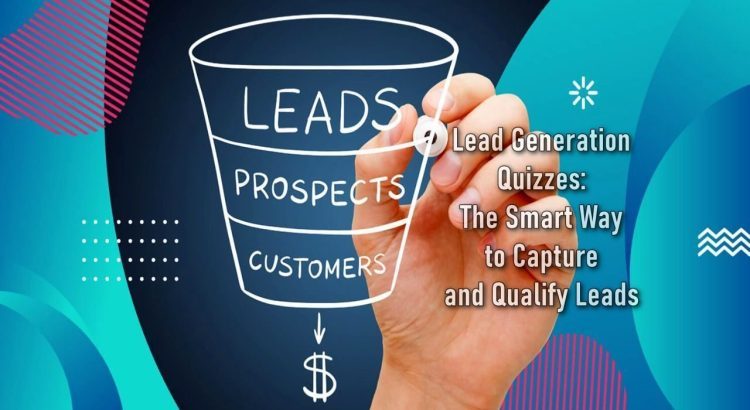
In the digital age, attention is currency. Businesses aren’t just competing on price or quality anymore, they’re competing for engagement. Brands that can spark interest and guide people toward action stand out. That’s where interactive tools like a lead generation quiz come into play. Far from being just a trendy marketing feature, these quizzes are proving to be a sharp and effective strategy for gathering qualified contacts and filtering serious prospects from casual browsers.
Done right, these quizzes offer two-way value. Visitors get a fun, tailored experience that gives them something useful or relevant. Businesses, in turn, gain access to leads that are more than just names in a database, they’re informed, segmented, and ready to take the next step. Let’s take a closer look at what makes these quizzes a smart move for any business looking to build a strong pipeline.
Moving Beyond Static Forms

Traditional forms still have their place, but their limitations are becoming more obvious. A blank page asking for personal details doesn’t invite much interaction. It often feels like a transaction instead of a conversation. Quizzes, on the other hand, encourage users to participate. They answer a few questions, get a result, and walk away with a recommendation, score, or insight that feels tailored to them.
That experience builds trust. People are more likely to share information when they feel like they’re getting something useful in return. By embedding logic into the quiz structure, businesses can extract detailed responses without the user feeling overwhelmed. It becomes a guided process rather than a data grab, which leads to better completion rates and more accurate information.
Segmenting Leads in Real Time
One of the most underrated advantages of quizzes is how effortlessly they segment users based on their inputs. Each answer paints a clearer picture of what the lead needs, wants, or is ready for. Instead of sending the same email to everyone, businesses can now customize messaging from the very first follow-up. That level of personalization can dramatically improve open rates and conversions.
For example, a skincare brand might ask questions about skin type, goals, and budget. Based on the answers, one person might get recommendations for daily care routines, while another receives offers for in-clinic treatments. In both cases, the brand delivers a message that feels relevant. That kind of precision is hard to replicate with standard lead capture forms.
Qualifying Without the Hard Sell

Quizzes let users qualify themselves. That’s a powerful shift. Instead of pushing a product or service right away, businesses can let prospects show their level of interest, budget range, or decision-making timeline through their answers. This helps avoid wasted time chasing cold leads and instead focuses energy on people who are closer to making a decision.
This approach benefits sales teams too. When a lead enters the pipeline, reps already have a snapshot of their needs, concerns, and readiness. They can tailor their outreach accordingly, cutting down the time it takes to move someone from interest to action. It’s a more informed and respectful way to sell, and people respond better to it.
Building Trust Through Personalization
One of the keys to a successful lead funnel is trust. People want to know that the brand understands them. Quizzes offer a simple way to demonstrate that from the very beginning. When the result feels custom and relevant, the user is more likely to take the next step, whether that’s booking a call, making a purchase, or subscribing to a newsletter.
This approach also softens the entry into the sales process. Instead of being pushed into a funnel, users feel guided. They’re not just leads, they’re participants. That shift in tone can make a significant difference in long-term brand perception. People are more loyal to brands that make them feel seen and heard.
Data That Powers Smarter Marketing
Every completed quiz offers a goldmine of information. The data doesn’t just help with immediate segmentation, it informs larger marketing strategies. Patterns in user responses can reveal gaps in messaging, product alignment, or even pricing strategy. Over time, these insights add up to smarter campaigns and better business decisions.
Marketers can also test different versions of a quiz to see which structure or tone leads to more completions. This level of feedback would be hard to gather through static web pages or simple email forms. With the right analytics in place, quizzes become both a lead magnet and a research tool.
Practical Tips for Building an Effective Quiz
To get the most out of a lead generation quiz, it needs to do more than look good. Start by setting a clear goal. Are you aiming to build an email list? Promote a specific product? Offer a service consultation? The structure and tone of the quiz should align with that objective.
Keep the questions relevant and the number of steps reasonable. People will drop off if it feels like too much work. Also, make sure the results are meaningful. A vague or generic response will undo the trust built during the quiz. Offer real value, whether that’s tailored recommendations, expert advice, or even a discount code.
Finally, integrate the quiz with your CRM or email platform. That way, leads don’t sit untouched. They’re immediately funneled into automated flows that speak to their needs and push them further down the sales path.
Quizzes aren’t just content, they’re strategy. They combine engagement with data, personalization with performance. For brands serious about generating quality leads and building authentic connections, a smart quiz can be one of the most powerful tools in the stack.